Is Expensive Clothing Worth the Cost? A 2026 Guide
Table of Contents
Is Expensive Clothing Worth the Cost? The Real Answer
What Price Actually Signals About a Garment
Are Expensive Clothes Better Quality? What the Evidence Shows
How to Check Construction Before You Buy
Cost per Wear Clothing: The Math That Changes Everything
Best Clothes to Invest In (And What to Skip)
How to Build a Quality Wardrobe on a Budget
Care, Repair, and Resale: Protecting Long-Term Value
A Practical Decision Framework for Every Budget
Frequently Asked Questions
Last Updated: October 8, 2026
Is Expensive Clothing Worth the Cost? The Real Answer
Is expensive clothing worth the cost? Usually, yes, but not for the reason the price tag suggests. The money buys better materials, stronger construction, and a longer garment lifespan, not a logo. We curate premium menswear, and the honest answer is that most shoppers pay for brand prestige when they should be paying for how a garment is actually made.
That distinction matters more in 2026 than it did a decade ago. Fast fashion has made cheap clothing faster and cheaper, while premium labels have stretched their prices well beyond the quality they deliver. Value sits in the middle: pieces built well enough to survive years of wear.
Below, we break down what price genuinely signals, how to check construction before you buy, and the cost-per-wear math that settles the argument.
Key Takeaway Expensive clothing is worth the cost only when the price reflects materials, construction, and durability. If it reflects a logo, you are paying for status, not quality.
What Price Actually Signals About a Garment
Price signals three things at once: the cost of materials, the cost of labor, and the cost of marketing. Only the first two affect how the garment performs. A high price point can come from any of them.
That is why a designer label does not automatically mean better cloth. Some luxury houses use the same mills as mid-market brands and charge several times more. Others genuinely use superior fabric, finer stitching, and better finishing. The label alone tells you nothing.
A common mistake is treating price as a quality shortcut. In practice, price and quality-to-price ratio are different measurements. A garment can be expensive and mediocre, or affordable and excellent. The only reliable way to judge is to inspect the piece itself.
Are Expensive Clothes Better Quality? What the Evidence Shows
Expensive clothes are often better quality, but the gap narrows sharply above a certain price point. The first jump from fast fashion to mid-tier typically buys the biggest improvement in fabric and construction. Beyond that, you are paying for brand prestige, exclusivity, and design.
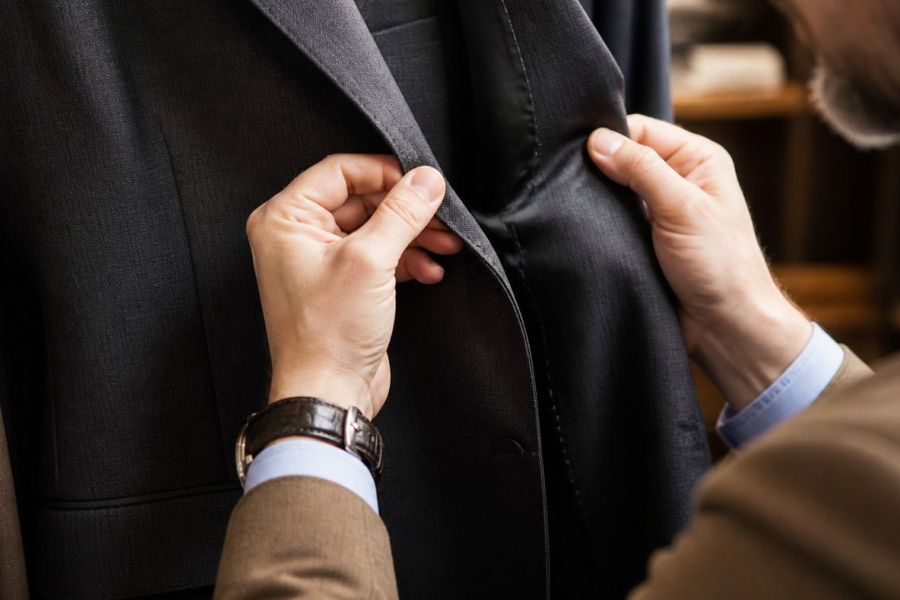
Consumer evidence backs this up. Independent testing and consumer reporting repeatedly find that price and durability do not rise in lockstep. A garment can cost ten times more and last only marginally longer. The strongest correlation is between construction quality and lifespan, not between price and lifespan.
How to Check Construction Before You Buy
You can assess quality in under two minutes without any tools. Check these areas in order:
Seams: Look for even, tight stitching. Uneven seams and loose threads signal rushed production.
Zippers: Metal zippers from known makers outlast plastic ones. Test the pull for smooth resistance.
Fabric weight: Hold the garment to light. Thin, see-through cloth wears out faster at stress points.
Finishing: Check the inside. Clean, bound seams mean the maker cared about the whole garment.
Fit and comfort: A well-cut garment moves with you. Poor fit shortens how often you actually wear it.
That last point is the one most guides skip. A piece that fits badly sits in the wardrobe, which destroys its value regardless of how well it was made.
Cost per Wear Clothing: The Math That Changes Everything
Cost per wear clothing is the price of a garment divided by the number of times you wear it. A jacket that costs more but gets worn weekly for years can beat a cheap one worn twice.
Tim Dessaint
Run the numbers on two realistic scenarios:
Garment | Price Point | Wears per Year | Years Worn | Cost per Wear |
Fast fashion jacket | Low | 6 | 1 | High |
Mid-tier wool coat | Moderate | 40 | 5 | Low |
Designer statement piece | High | 4 | 3 | Very high |
The pattern is consistent. Durability and frequency of wear drive long-term value far more than the initial price. This is the core argument for investing in pieces you will actually wear often.
Pro Tip Before buying anything, estimate how many times you will wear it in the first year. If the answer is under five, the cost per wear will almost always be poor, no matter how good the deal looks.
Best Clothes to Invest In (And What to Skip)
The best clothes to invest in are the pieces you wear most often and replace most frequently. Outerwear, footwear, and tailored staples top the list because they take the most wear and tear.
Worth the investment:
Outerwear: Coats and jackets face weather and daily use. Better materials pay off fast.
Footwear: Good leather and proper construction can be repaired for years.
Tailored staples: Blazers and trousers in neutral colors get worn constantly.
Denim: Quality denim holds shape and fades well over time.
Skip the splurge:
Trend-driven pieces: Fast-moving styles lose relevance before they wear out.
Statement accessories: Fun, but rarely worn enough to justify a high price.
Basics you replace often: Plain t-shirts rarely justify luxury pricing.
An investment piece earns its name through wear, not through the label. Buy where frequency and durability meet.
How to Build a Quality Wardrobe on a Budget
Building a quality wardrobe on a budget is not about spending less; it is about spending where quality actually compounds. The mistake most shoppers make is treating every purchase the same, spreading a limited budget across many low-cost items that wear out quickly.
Start by identifying your highest-wear categories. For most people, that means outerwear, footwear, and trousers. These items face daily friction, weather, and repeated cleaning.
But how do you know if a piece is actually well-constructed? Use a repeatable quality checklist before you buy. This is the step most budget guides skip, and it is where real savings hide.
A two-minute quality check:
Fabric composition: Read the label. Natural fibers like wool, cotton, linen, and silk generally breathe better and age more gracefully than synthetic blends. A small percentage of elastane can add stretch, but a garment that is mostly polyester at a premium price is a red flag.
Seams and stitching: Turn the garment inside out. Look for even, tight stitches with no loose threads. Seams should be finished, either bound, flat-felled, or cleanly serged. Uneven or chaotic stitching signals rushed production.
Zippers and hardware: Metal zippers from established makers (such as YKK, Riri, or Lampo) tend to outlast plastic ones. Test the pull for smooth resistance. Buttons should be securely attached, not dangling.
Lining and interlining: A quality jacket or coat often has a full lining that adds structure and comfort. Check that the lining is attached cleanly and does not pucker.
Fit and movement: Put the garment on. Raise your arms, sit down, bend over. A well-cut piece moves with you. Poor fit means you will wear it less, which destroys its cost per wear regardless of construction.
Once you have a shortlist of pieces that pass this check, apply a simple budgeting rule: allocate 60-70% of your clothing budget to the 20% of items you wear most often. That might mean one excellent coat instead of three mediocre ones.
Buy off-season when retailers clear stock, but only if the piece passes the quality check.
Prioritize fit over label at every price point. A $30 shirt that fits perfectly beats a $300 shirt that doesn't.
Replace fast-fashion basics slowly with better versions as your budget allows.
Track what you actually wear for a month. Most people find they wear 20% of their wardrobe 80% of the time. Use that data to guide future spending.
This is how a curated wardrobe gets built: fewer pieces, chosen well, worn often. The goal is not to own less for its own sake, but to own better so you replace less.
Care, Repair, and Resale: Protecting Long-Term Value
Longevity depends as much on care as on construction. Washing less often, repairing early, and storing properly can add years to a garment's life. That directly improves its cost per wear.
Follow the care label, but also use judgment. Overwashing breaks down fabric faster than wear does. Small repairs, like reattaching a button or mending a seam, cost little and prevent bigger damage later.
Resale is the quiet advantage of quality pieces. Designer clothes and well-made staples hold resale value far better than fast fashion, which is often worth nothing secondhand. A garment you can resell recovers part of its cost, changing the value calculation entirely.
Watch Out Ignoring a small seam split or loose button lets the damage spread. A cheap repair today often becomes an unwearable garment within months, wiping out any value the piece had.
A Practical Decision Framework for Every Budget
Here is how to apply it without guesswork.
Step 1: Estimate wears per year. Be honest. A winter coat might get 60 wears in a cold climate, but a statement blazer might get 10.
Step 2: Estimate lifespan. This is where construction quality matters. A well-made leather shoe with a Goodyear welt can be resoled and last 10 years or more.
Step 3: Add maintenance and repair costs. Expensive clothing often requires care: dry cleaning, leather conditioning, alterations.
Step 4: Subtract resale value. Quality pieces from recognized brands hold resale value.
Step 5: Calculate cost per wear. Total cost (purchase + maintenance − resale) divided by total wears over the lifespan.
Consider two realistic scenarios:
Garment | Purchase Price | Wears per Year | Years Worn | Maintenance | Resale | Cost per Wear |
Fast-fashion jacket | $80 | 10 | 1 | $0 | $0 | $8.00 |
Mid-tier wool coat | $300 | 40 | 5 | $150 | $50 | $2.00 |
Designer statement piece | $1,200 | 5 | 3 | $200 | $400 | $66.67 |
In this example, the mid-tier coat delivers the lowest cost per wear because it is worn often, lasts years, and recovers some value.
The pattern is consistent: durability and frequency of wear drive long-term value far more than the initial price.
When paying more makes sense:
The item is worn at least weekly.
Construction allows for repair and resoling.
The material ages well (leather, wool, denim).
The brand has a track record of quality, not just marketing.
When affordable clothing is the better choice:
The item is trend-driven and likely to date quickly.
You need it for a one-off occasion.
Your lifestyle or body size is changing rapidly.
The expensive version offers no clear construction advantage.
This framework works at every budget. It does not require you to spend more; it requires you to think in terms of total cost and actual wear.
Frequently Asked Questions
Are expensive clothes better quality?
Not automatically. Price reflects brand prestige, marketing, and retail markup as much as materials and construction. A $400 jacket can have the same fused seams as a $100 one. Check fabric weight, stitch density, and whether seams are clean and even. Some mid-priced brands use better construction than luxury labels. The price tag tells you what the market will pay, not what the garment is worth.
What is cost per wear, and how do you calculate it?
Cost per wear is the purchase price divided by the number of times you wear the item. A $300 coat worn 150 times costs $2 per wear. A $60 fast-fashion jacket worn 10 times costs $6 per wear. The cheaper item costs three times more per use. Track how often you actually wear something before assuming a low price means better value.
Which clothing items are worth spending more on?
Focus spending on items you wear frequently and that take the most wear: outerwear, shoes, denim, and tailored jackets. These benefit most from better materials and construction. Save on trend-driven pieces, basic t-shirts, and accessories where quality differences are smaller. A well-made coat or pair of boots will outlast three cheaper replacements and cost less per wear over time.
How can you tell if clothing is good quality?
Check the seams: they should be tight, even, and flat with no loose threads. Look at the fabric: hold it to light to see density, and check the label for natural fibers or quality blends. Test zippers and buttons for smooth operation. Feel the weight. A garment that feels substantial and has clean finishing will generally hold up better than one that feels thin or has uneven stitching.
The real challenge is not deciding whether quality matters. It is finding pieces that combine sound construction, genuine fit, and lasting style without paying purely for a name. That is exactly what Dynamic Emergence is built for. Our curated collection spans casual, streetwear, and luxury wear, with guidance on finding the right fit so each piece integrates with the wardrobe you already own. Shop All and build a wardrobe where every purchase earns its cost per wear.
Shop All


Comments